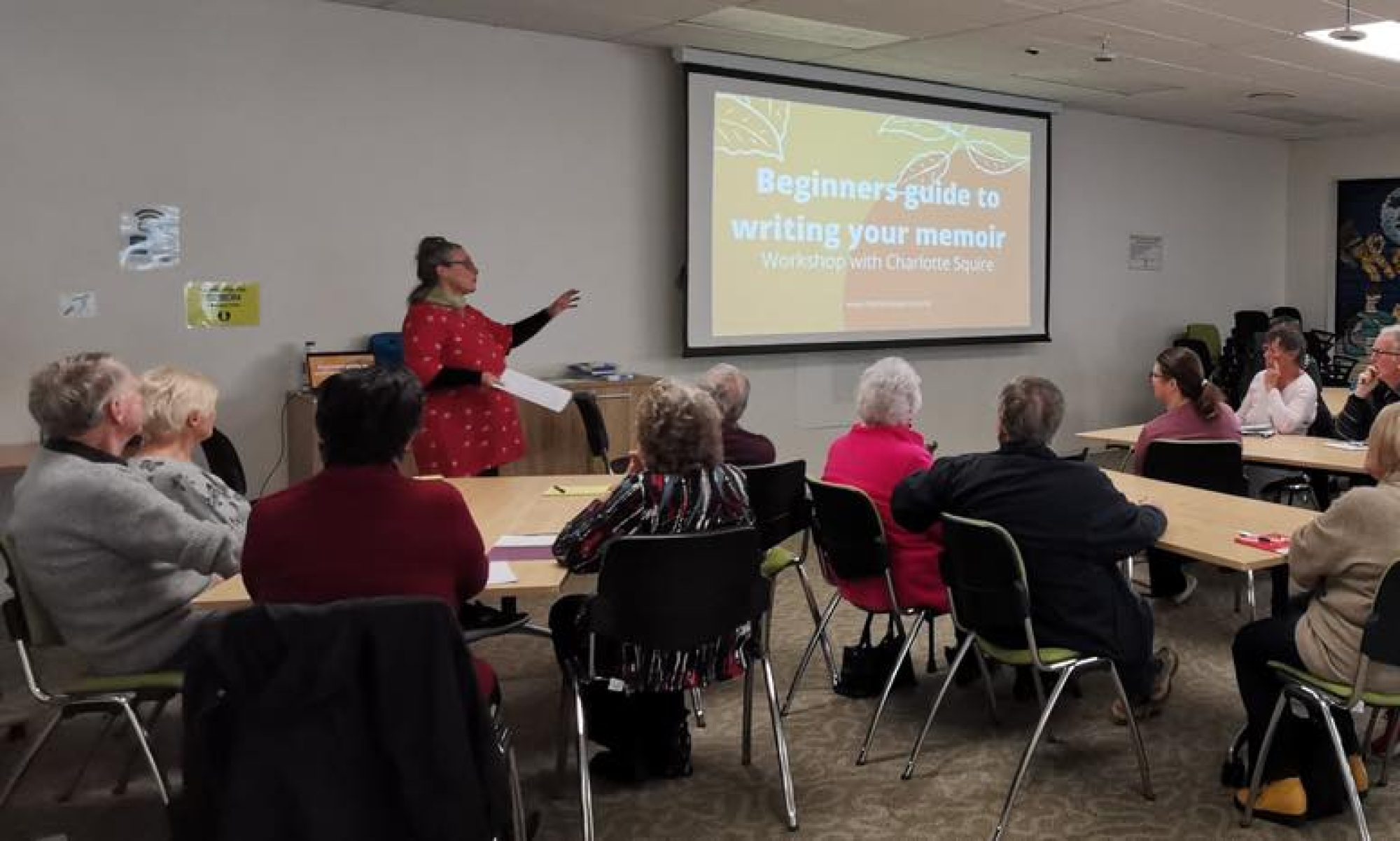
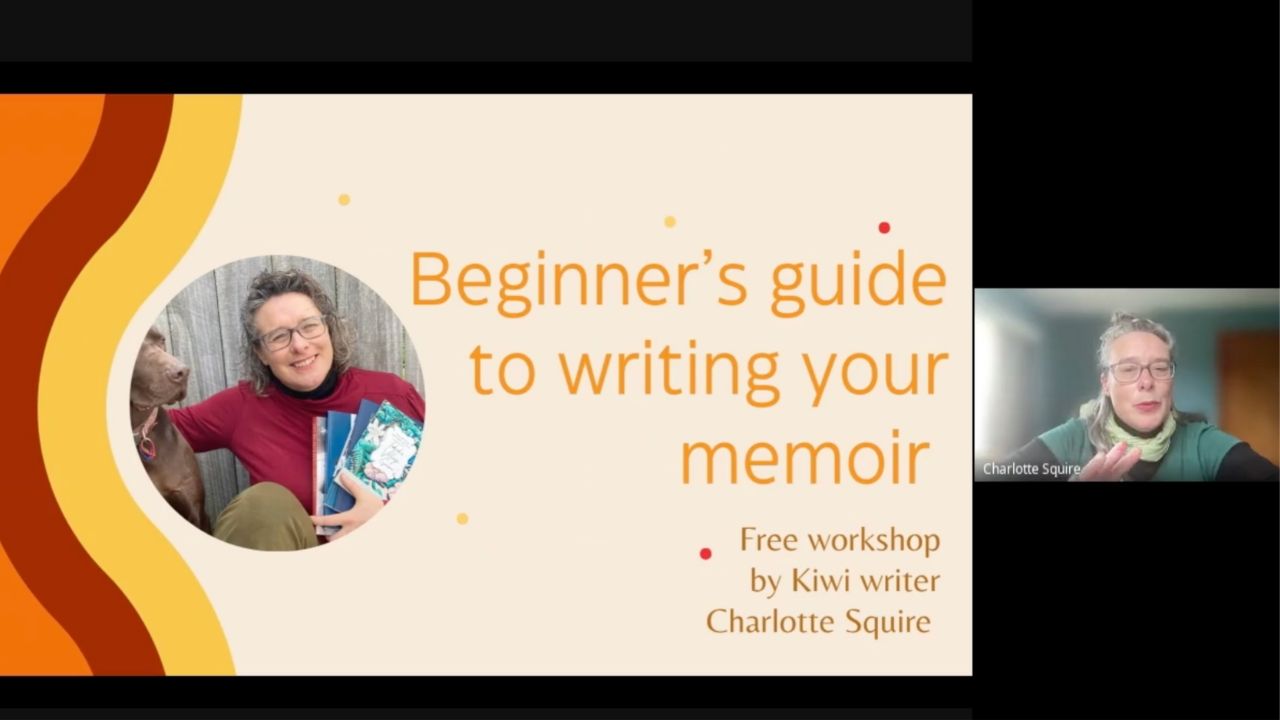
Beginner’s Guide to Writing Your Memoir (or your life story, or family history).
Time this workshop will take: This is a 15 minute workshop, with three minutes at the end telling you a little more about who I am, and my online course Write Your Memoir. Plus, at the very end, there’s a final tip about what to do with your book when it’s freshly printed.
What you need: Pen and paper, or a device to write on.
Notes from the video
(though there’s far more information in the actual video, so you’ll get the most value from watching it):
- Before you start writing, clarify exactly who you’re writing your story for – yourself? Your family only? Your wider community? Your country? It’s important to figure this out before you begin as it can determine what goes into your story.
- It’s important to be aware of which perspective you’re writing your story in. Typically people will write it in ‘first person’, using ‘I statements’ for example ‘I started my life in Rockville, Golden Bay, as the daughter of a beekeeper.’ Some people write their stories in third person – as if they’re standing outside their life, telling the story about someone else, for example ‘Julie trained as a teacher in Palmerston North, and made some life long friends during her training.’
When my team and I are editing stories, people will sometimes accidentally change the perspective, and tense of their story, mid-story, without meaning to. This can end up costing them in time and money. So it’s good to be mindful of this.
- Exercise number one: Brain storm the top 20 things that MUST appear in your story, in no particular order. Let this be a creative, messy, imperfect exercise.
- Exercise number two: Take that jumble of ideas that you brainstormed and order them into steps in your story. Write them into the order you think they should appear in your book. People often write this chronologically, but not everyone does. These could form the draft chapter of your future book.
- Photos – write on the back of them, or leave info with them so that future generations who don’t know these people, will see the relevance of these photographs to their lives, and rather than throw them away, they’ll treasure them.
Tip: if you can scan it, digitise it, you can include it in your book. This can include photos, recipes, diary entries, poems, newspaper clippings … I’ve included all of these in books I’ve worked on.
- Writing about other people – I write about them so that they’ll allow me to write about them again, in the future. I try to write respectfully and accurately. You will hold the copyright for your future book, and this means you’ll be responsible for the ripple effects of that story. You can check what you’ve written, by emailing that specific text to people for their feedback on the accuracy of your words. If you’re not able to do that, there’s nothing stopping you from writing about them, just remember you’re responsible for what ever you write as you hold the Copyright for your book.
- Keep writing! Keep going with your story, don’t give up. Each word, sentence, paragraph, page, chapter is real progress towards the completion of your story. And the world needs your story! It’s easy to take our own stories for granted, but believe me when I say that your story will be a treasure for someone. You are saving them the time and energy required to research you and your ancestors. You might be providing them with the story of their ancestry, and that is priceless.
You are now signed up to my free weekly ‘Memoir encouragement’ email. People have written entire books using this free weekly email alone, and you’re part of a lovely community of memoir writers across Australasia who often share snippets from their stories.
I hope my training was useful for you!
Four more ways you can work with me:
- Join my online course Write Your Memoir – learn how to write your story, plus join a community of memoir writers on the same journey as you, join our regular meetups, meet guest speakers, and receive my one-on-one support to finish your story.
- Commission my team and I to write, edit and/or design your book for you.
- Buy Life Poster for yourself or your loved one, where we design an A3 poster containing a life story and life photos, to be displayed on the walls of hospitals, homes, rest homes, and hospices.
Remember, keep writing, because one day, your story will be someone else’s history.
Charlotte x
 Write your memoir, life story or history